The reading room · November 2026
Protein powder, with a little perspective.
A practical starting point for women beginning strength training after 40.
Start with the protein gap in your usual meals, then compare exact formulas around your dietary preferences and budget. A powder is optional, not an age-related requirement.
Start with the gap, not the tub.
A protein powder is one way to add protein when meals don’t provide what you need. It isn’t a requirement that comes with a birthday or a gym membership. Look at your usual meals before adding another product.
Choose around your real constraints.
| Your question | What to check |
|---|---|
| Do I avoid dairy? | Read the full ingredient and allergen statement. Whey comes from milk; “isolate” does not mean dairy-free. |
| Do I dislike sweet flavors? | Check the exact flavor for added sweeteners. A brand can use different formulas across its range. |
| What does a serving give me? | Use grams of protein in the nutrition panel, not grams of powder or whey ingredient. |
| Is it within my budget? | Compare equivalent quantities of protein, as well as the cost of trying a whole package. |
A useful comparison needs the exact version.
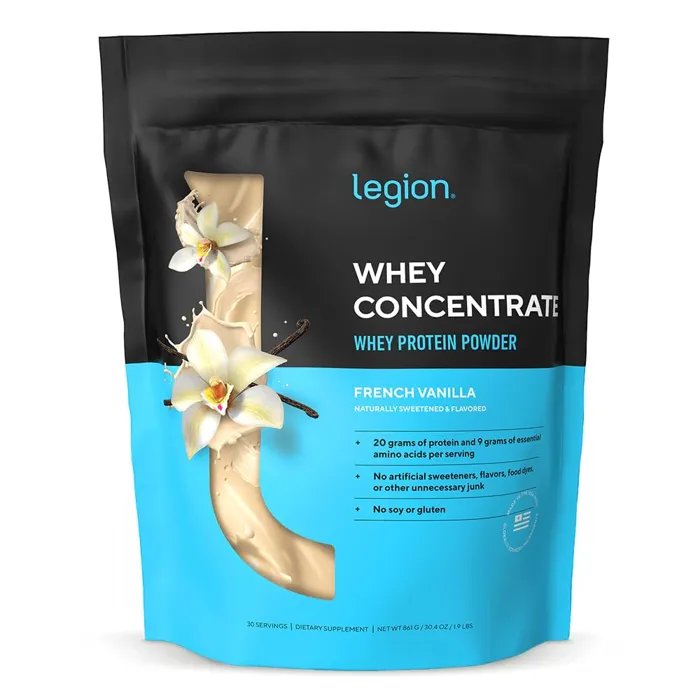
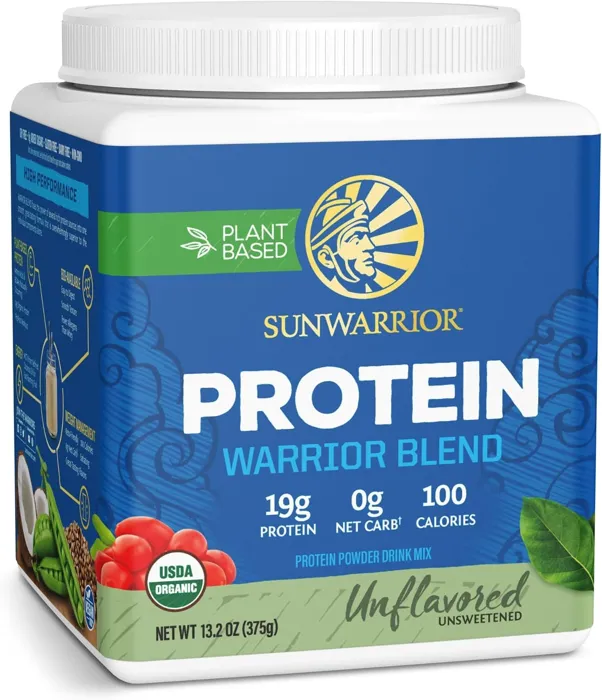
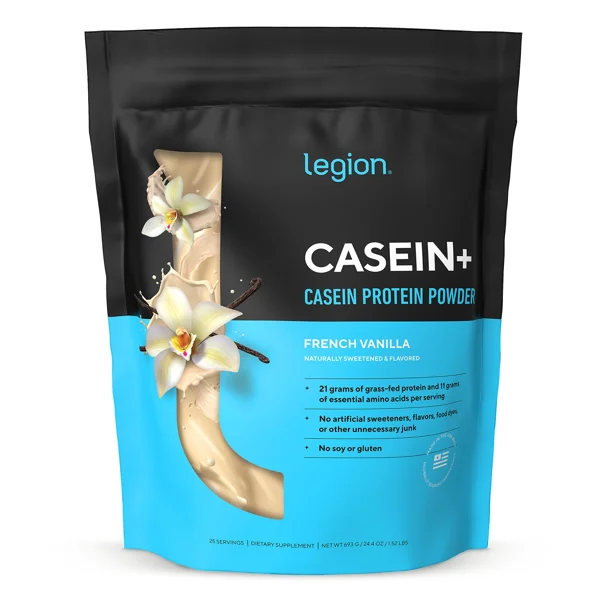
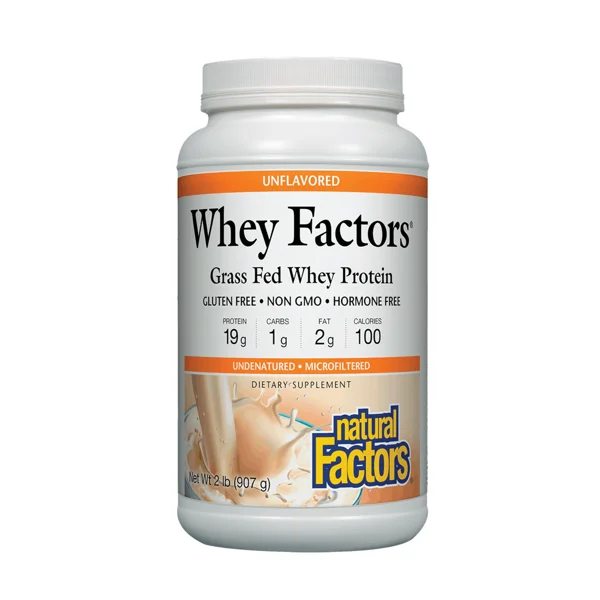
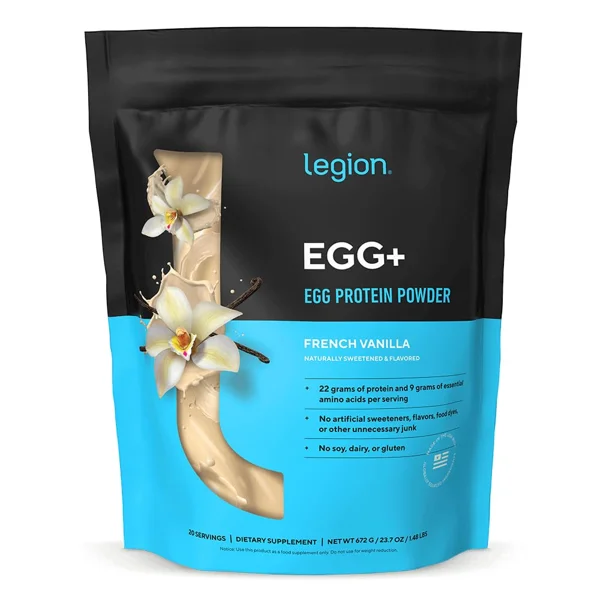
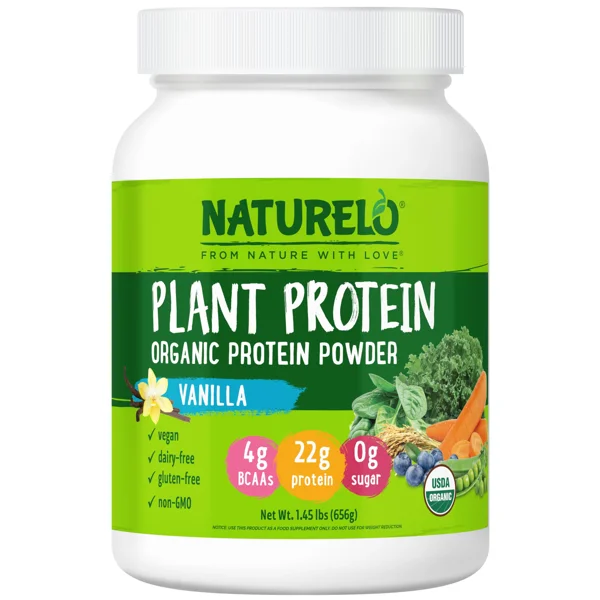
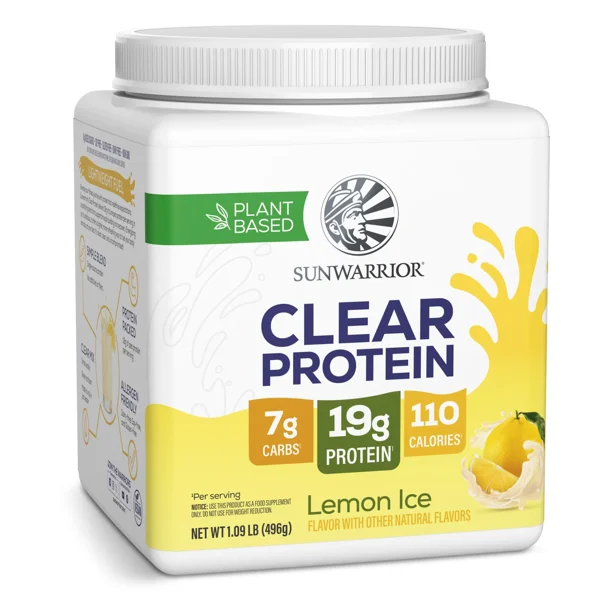
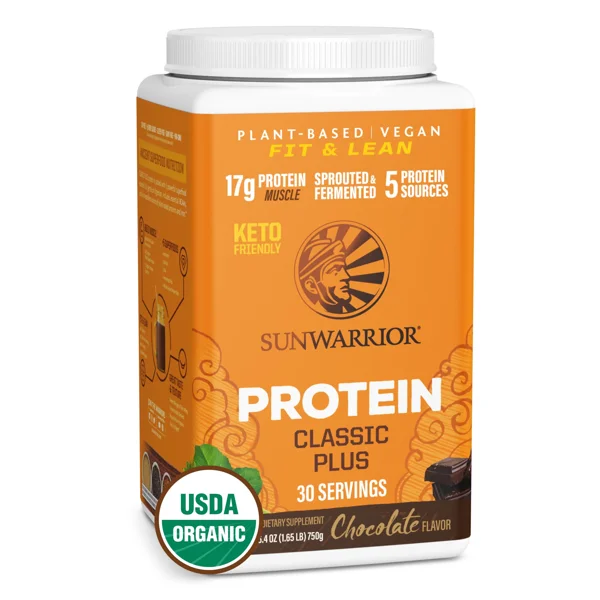
Flavor, pack size and formulation matter. A report about one batch does not establish the contents of every current package. Likewise, a general claim of third-party testing is different from a report that names a product and batch.
Keep the first decision small.
Pick the constraints you already know—such as dairy avoidance or a preference for no added sweeteners. Then compare a few appropriate options. More ingredients and a women-specific label do not by themselves establish a better fit.
Next: understand sweetener labels →
Sources
NIH Office of Dietary Supplements: exercise and athletic performance