The reading room · November 2026
Creatine, without the extra noise.
What to look at before adding a new product to your routine.
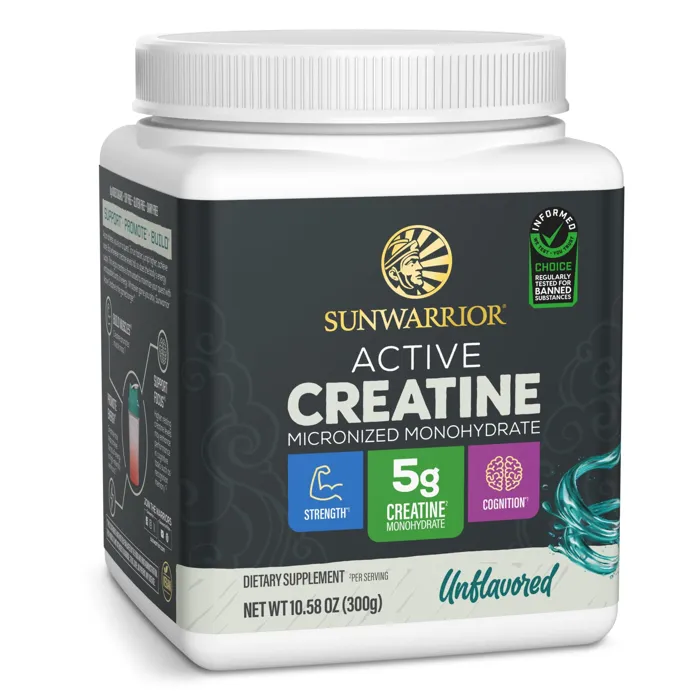
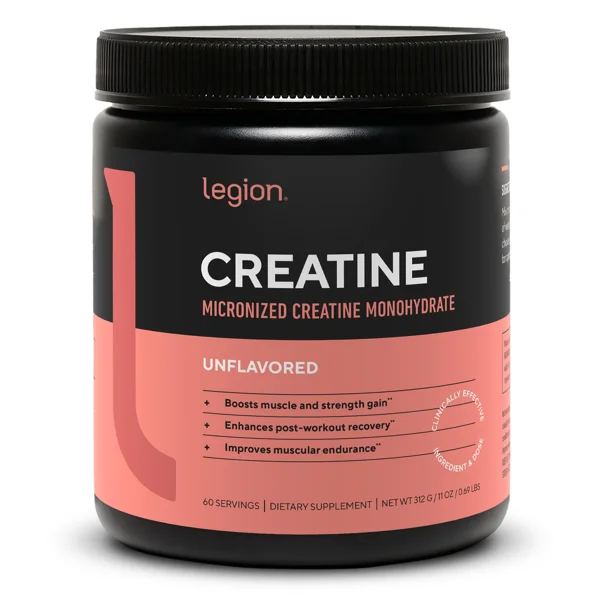
Compare creatine type, amount per serving, extra ingredients and evidence. A women-specific label alone does not establish a better fit.
Understand the ingredient before the extras.
Creatine has research supporting some forms of high-intensity exercise performance. That ingredient-level evidence does not establish that every product, blend or “for her” formula will work better for you.
Four things to compare.
- Form: identify the type of creatine.
- Amount: use the amount of creatine per serving, not total powder or gummy weight.
- Extras: check what else the formula adds and whether you want those ingredients.
- Evidence: distinguish a general testing statement from a current, identifiable product report.
Protein and creatine answer different questions.
Protein can help fill a dietary protein gap. Creatine is a separate ingredient with different evidence and uses. Buying one does not mean you need the other. A combined formula also ties their serving amounts together, while separate products let you compare each independently.
A label is not a personalized plan.
Starting strength training after 40 is not, by itself, a reason to buy a supplement stack. If you have a medical condition, take medication or have questions about suitability, discuss the choice with a qualified clinician.
Sources
NIH Office of Dietary Supplements: exercise and athletic performance